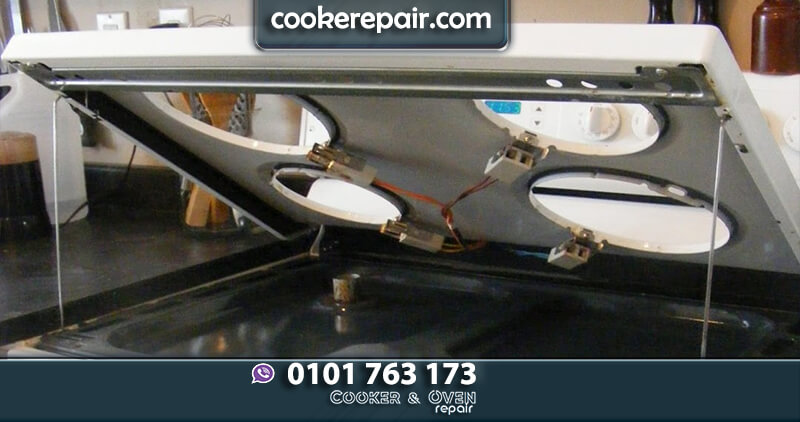
A burning smell from a new oven heating element typically results from manufacturing residues or oils burning off during initial use. This normal process affects replacements in Nairobi ovens just like new units, dissipating after 1-2 burn-in cycles without posing safety risks.
PAGE CONTENT
Primary Causes
Protective coatings applied during production coat the element to prevent corrosion in transit; high heat (200-250°C) vaporizes them, releasing a plastic-like or chemical odor. Factory lubricants or graphite on terminals also combust on first activation, common in imported LG/Von parts stocked at Luthuli Avenue.
Residue from packaging—zip ties, tape, or dust—melts if overlooked during install, amplifying the smell. In rare cases, slight insulation scorching near the element occurs from uneven initial heating.
Resolution Steps
Run an empty burn-in cycle: preheat to 220°C for 30-60 minutes with windows open and ventilation on; repeat once if odor lingers. Avoid cooking until smell fades to prevent flavor transfer.
| Cause | Duration of Smell | Fix Timeline | Prevention Tip |
|---|---|---|---|
| Manufacturing oils/coatings | 1-3 uses | 30-60 min cycle | Pre-burn new elements empty |
| Terminal graphite/residue | First 10-15 min | Wipe + cycle | Clean contacts pre-install |
| Packaging debris | Immediate | Remove + ventilate | Inspect cavity fully |
| Insulation curing | 1-2 hours total | Multiple cycles | High-vent first use |
Cycles eliminate 90% of odors; wipe interior with vinegar-water post-cool down.
When to Worry
Persistent acrid smells beyond 2 cycles signal wiring issues, loose fits, or counterfeits—disconnect immediately and call pros like Cooker Repair (0101763173, cookerepair.com, Kangari Hse). Nairobi’s power fluctuations exacerbate arcing if connections loosen.
Normal smells fade harmlessly; professionals include burn-in during KES 1,500 installs for seamless results. Contact cookerepair.com for model-specific advice matching prior price/installation context.