Few appliance issues are as urgent as a gas leak, and understanding practical gas leak solutions can help protect your household or business from serious harm.
PAGE CONTENT
Causes of Gas Leaks in Cookers
Gas leaks in cookers usually happen because one small fault affects the flow of gas through the appliance. Understanding the common causes helps you spot risks early, reduce damage, and apply the right Gas Leak Solutions before the problem becomes dangerous.
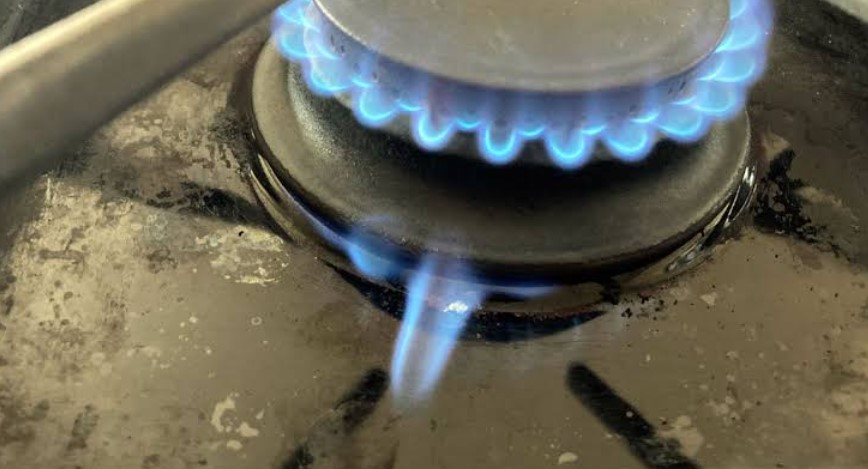
A gas cooker should always burn cleanly and consistently, so any smell of gas, weak flame, or unusual hissing sound should be treated as a warning sign. In many cases, the leak starts at a hose, connection point, valve, or burner component that has worn out over time.
Worn or Damaged Gas Hose
One of the most common causes of cooker leaks is a cracked, hardened, or damaged gas hose. Flexible hoses age over time, especially when they are exposed to heat, movement, grease, or rough handling during cleaning. Small splits may not be visible at first, but they can still allow gas to escape.
If the hose is bent sharply, pinched behind the cooker, or pressed against a hot surface, it can weaken faster. Regular inspection and replacement are part of reliable Gas Leak Solutions for any kitchen using a gas cooker.
Loose Connections and Fittings
Gas leaks also happen when the fittings between the cooker, regulator, hose, and gas supply are not tight enough. Vibration from daily use can slowly loosen joints, especially if the cooker is moved often for cleaning or maintenance. Even a slight gap at a connection point can create a dangerous leak.
This is why proper installation matters from the beginning. Tightening or resealing connections should only be done carefully and safely as part of professional Gas Leak Solutions, because over-tightening can also damage the fitting.
Faulty Gas Regulator
The regulator controls gas pressure going into the cooker, and when it fails, it can cause poor flame performance or leakage. A damaged regulator may not maintain stable pressure, which may lead to gas escaping through weak seals or internal wear. Symptoms often include erratic flame behavior, difficulty lighting, or a gas smell near the cylinder or supply line.
Regulators have a limited service life and should be checked regularly. Replacing a worn regulator is one of the most practical Gas Leak Solutions when pressure control becomes unreliable.
Burner and Valve Problems
Burners and control valves can also be a source of leaks. If burner caps are not seated correctly, gas may escape before it reaches proper ignition. Dirt, rust, or food debris can block the burner ports and disrupt normal gas flow, creating unsafe combustion or a smell of unburned gas.
Faulty control valves may fail to close fully, letting gas pass even when the knob is turned off. Cleaning the burner area, checking alignment, and replacing damaged valves are important Gas Leak Solutions for restoring safe cooker performance.
Poor Installation or Old Parts
Sometimes the root cause is not one single fault, but poor installation or aging parts across the whole system. A cooker that was connected with incompatible parts, low-quality hose material, or poor sealing tape may develop leaks much sooner than expected. Over years of use, seals dry out and metal parts corrode, increasing the chance of leakage.
Older cookers need more frequent checks because wear builds up slowly and often goes unnoticed. Routine servicing is one of the smartest Gas Leak Solutions because it catches weak parts before they fail.
Gas leaks in cookers are usually caused by worn hoses, loose fittings, faulty regulators, burner issues, or poor installation. The safest approach is to treat every suspected leak seriously, shut off the gas supply if safe to do so, and rely on proper Gas Leak Solutions such as inspection, replacement of damaged parts, and professional servicing to keep the cooker safe.
Recognizing a Gas Leak
Before addressing gas leak solutions, it’s important to recognize the warning signs, which can be subtle at first but escalate quickly.
| Warning Sign | Description |
| Rotten-egg smell | Added odorant in natural gas |
| Hissing sound | Gas escaping under pressure |
| Dead or dying plants near lines | Gas affecting soil/roots |
| Higher than normal gas bills | Possible slow leak |
| Physical symptoms (dizziness, nausea) | Gas exposure |
Immediate Steps When You Suspect a Leak
The first and most important gas leak solutions step is safety. If you smell gas:
- Turn off the gas supply immediately
- Open windows and doors for ventilation
- Avoid using switches, lighters, or anything that could spark
- Leave the area if the smell is strong
- Contact a professional technician right away
Common Sources of Gas Leaks in Cookers
Understanding where leaks originate helps technicians apply the right gas leak solutions. Common sources include worn rubber hoses, loose fittings, damaged regulators, or cracked gas lines.
Professional Repair Solutions
Once safety is ensured, professional gas leak solutions typically involve:
- Pressure testing to locate the exact leak source
- Replacing worn hoses or fittings
- Repairing or replacing faulty regulators
- Sealing or replacing damaged gas lines
- Final safety testing before resuming use
Never attempt to fix a gas leak yourself. Call 0723763173 or visit cookerepair.com for immediate gas leak solutions.
Preventing Future Leaks
Long-term gas leak solutions also include preventive habits such as:
- Replacing gas hoses every few years
- Scheduling annual professional inspections
- Avoiding DIY modifications to gas connections
- Testing connections periodically with soapy water
Gas leaks are among the most dangerous appliance issues you can face, but reliable gas leak solutions from trained professionals restore safety quickly and effectively. Suspect a gas leak in your cooker? Don’t wait. Call 0723763173 or visit cookerepair.com for immediate gas leak solutions.