PAGE CONTENT
Common Faults in Gas and Electric Ovens
Ovens fail in predictable ways, and most faults show clear warning signs before they become serious. The most common problems include no heat, uneven cooking, temperature errors, ignition or element failure, door seal issues, and electrical or control faults.asurion+1
Why oven faults happen
Gas and electric ovens do the same job, but they rely on different heating systems, so their faults often look similar while coming from different parts. A gas oven depends on ignition, gas flow, and flame sensing, while an electric oven depends on heating elements, relays, sensors, and control boards. When one of those parts weakens, the oven may still switch on but cook poorly or stop heating altogether.asurion+1
Most oven problems begin gradually. An element can weaken, an igniter can slow down, a sensor can drift out of range, or a door gasket can start leaking heat before the owner notices a major breakdown. Catching these early signs usually makes repairs simpler and cheaper.
1. Oven not heating
This is one of the most common oven complaints. In electric ovens, the usual cause is a burned-out heating element, while in gas ovens the most common cause is a weak or failing igniter that cannot light the burner properly. Other possible causes include a faulty temperature sensor, a bad control board, or a blown thermal fuse.asurion+1
Typical signs include food taking far longer than usual to cook, the oven preheating slowly, only the broil setting working, or no heat at all. If the oven turns on but stays cold, the heating system is the first place to check.asurion+1
2. Uneven cooking
Uneven baking is often blamed on the recipe, but the oven is frequently the real problem. Heat may be escaping through a worn door gasket, circulating poorly because of a fan issue, or failing to spread evenly because of a faulty element or burner. Inaccurate temperature control can also cause one side of the oven to overcook while the other side stays underdone.asurion+1
You may notice burnt edges, raw centers, or trays that cook faster on one side than the other. If the oven has convection, a weak fan can make the problem worse because hot air is not moving properly.
3. Wrong temperature
An oven that runs too hot or too cool can ruin meals even when it appears to be working normally. Common causes include a damaged temperature sensor, an aging thermostat, a control board error, or a heat leak from a poor door seal. In gas ovens, burner or ignition issues can also affect temperature consistency.asurion+1
The signs are usually clear: cakes collapse, roasts cook too fast on the outside, or food takes much longer than expected. When temperature problems become regular, the oven may need calibration, part replacement, or a full inspection.
4. Ignition problems in gas ovens
Gas ovens have a different weakness from electric models: they must ignite the gas safely and reliably. If the igniter is weak, the burner may not light, may light slowly, or may cycle on and off. A dirty burner, gas supply issue, or faulty safety valve can also prevent proper ignition.asurion+1
A common warning sign is a long delay before the oven heats, sometimes followed by a gas smell before ignition. That kind of delay should never be ignored because it can become a safety hazard. Gas faults are among the strongest reasons to call a qualified technician rather than trying to force the appliance to work.asurion
5. Heating element failure in electric ovens
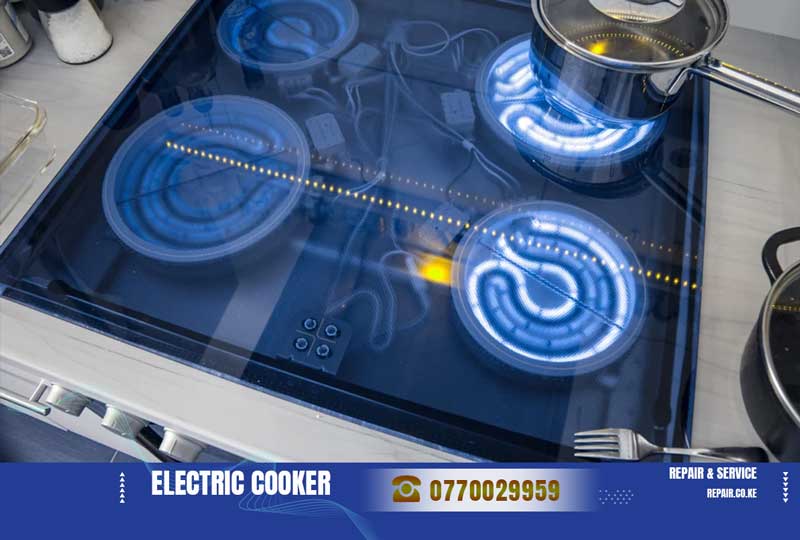
Electric ovens rely on one or more elements, usually bake and broil elements, to generate heat. When an element burns out, cracks, blisters, or loses continuity, the oven may heat weakly or stop heating in one mode only. Sometimes the top element works while the bottom one fails, or vice versa.asurion+1
Visible damage is often easy to spot. The element may look broken, sagging, or discolored, and the oven may heat unevenly even when it still turns on. This is one of the more straightforward faults to diagnose, but replacement should still be done safely.
6. Door not sealing properly
A door that does not close tightly causes heat loss, longer cooking times, and unstable temperatures. Worn gaskets, loose hinges, broken springs, or a misaligned door are the most common reasons for a poor seal. Even a small gap can make the oven work harder and perform badly.asurion+1
You may feel hot air escaping from the door edges or notice that the oven takes too long to preheat. If the gasket is cracked or flattened, cleaning will not solve the problem, and replacement is usually the better fix.
7. Oven shuts off during cooking
When an oven stops in the middle of a cycle, the issue may be electrical, thermal, or control-related. Overheating, a failed thermal fuse, faulty wiring, or a control board malfunction can all cause sudden shutdowns. In some cases, the circuit breaker may trip because the appliance is drawing power abnormally.
This fault is more serious than simple uneven heating because it suggests a component is failing under load. If the display goes blank, the breaker trips, or the unit powers off repeatedly, the oven should be inspected before further use.
8. Strange smells and smoke
Not every smell means a major fault, but unusual odors should be checked carefully. Burnt food residue, cleaning product residue, a failing heating element, gas ignition issues, or electrical overheating can all create strange smells. Smoke may appear when grease or debris burns off, but repeated smoke can signal a deeper problem.
A strong electrical smell is especially important because it can point to wiring or component damage. Gas odors are even more urgent and should never be treated as normal appliance behavior.asurion
9. Error codes and control faults
Modern ovens often use error codes to report internal faults. These codes may point to temperature sensor issues, door lock problems, control board failures, or self-cleaning cycle errors. If the same code keeps returning, the problem is usually not temporary.asurion
Control faults can be frustrating because the oven may look fine from the outside while refusing to start, heat, or respond correctly. A reset may clear some minor issues, but persistent codes usually need proper diagnosis.asurion
Common symptoms and likely causes
| Symptom | Likely cause in gas ovens | Likely cause in electric ovens |
|---|---|---|
| No heat | Weak igniter, gas flow issue, safety valve problem | Burned-out element, thermal fuse, control board fault |
| Slow preheat | Weak igniter, burner problem | Weak element, sensor drift |
| Uneven cooking | Burner or airflow issue, door seal leak | Element issue, sensor issue, door seal leak |
| Oven shuts off | Electrical or control fault | Thermal fuse, wiring, board failure |
| Strange smell | Gas ignition issue, debris | Element overheating, wiring fault |
When to call a technician
Some faults are safe to check visually, such as a dirty gasket or a visibly broken element. Anything involving gas, wiring, control boards, repeated shutdowns, or electrical smells should be handled by a professional. Gas appliances are especially sensitive because a small mistake can become a safety risk.asurion
A technician is also the right choice when the oven still powers on but refuses to heat correctly, because the problem may be inside the control system rather than in a single visible part. That type of fault often needs testing equipment and experience to diagnose correctly.asurion+1
How to reduce future faults
Regular cleaning helps prevent grease buildup, bad smells, and burner or element stress. Keeping the door gasket clean, avoiding slamming the door, and not blocking vents also helps the oven hold heat better. For gas ovens, prompt attention to ignition delays and flame irregularities can prevent bigger failures later.asurion+1
It also helps to notice small changes early. If preheating takes longer than usual, food cooks unevenly, or the oven starts making new noises, those are early warnings that should not be ignored. Small symptoms usually become major repairs if they are left alone.
Common faults in gas and electric ovens usually start with heating problems, temperature drift, door seal wear, ignition trouble, or control failure. Understanding the difference between gas and electric systems makes it easier to spot the real cause and decide whether a simple fix or a professional repair is needed.