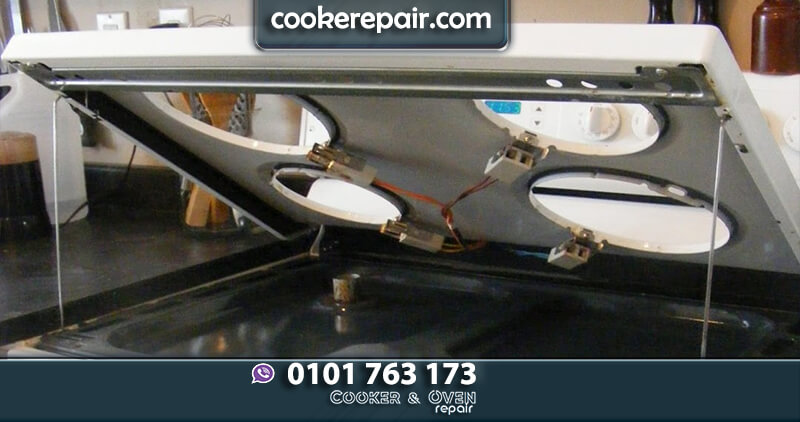
Built-in ovens integrate seamlessly into kitchen cabinetry, offering efficient cooking with precise temperature control. These appliances convert electrical or gas energy into heat via elements or burners, regulated by thermostats for even baking and roasting.
Core Functionality
Built-in ovens operate using heating elements—typically coils at the top and bottom—that glow when powered, producing Joule heating to warm the cavity. A thermostat monitors internal temperature, cycling power on and off to maintain set levels, while fans in convection models circulate hot air for uniform results. Digital controls or knobs send signals to these components, ensuring consistent performance during cooking cycles.
Key Components
Essential parts include heating elements, thermostat sensors, door seals, and control boards. The door seal prevents heat escape, while vents manage airflow to avoid overheating. In electric models, concealed coils heat efficiently; gas versions use burners ignited by electronic sparks.
Common Issues Table
These issues disrupt daily cooking but are often fixed quickly by experts handling built-in specifics like cabinet integration and electrical connections.
Maintenance Tips
Regular cleaning prevents buildup—wipe interiors with mild soap after cooling, avoiding abrasives on glass doors. Remove racks for deep cleans and check seals monthly for cracks. Run self-clean cycles sparingly to avoid element strain, and test temperatures with an oven thermometer periodically.
When to Call Professionals
DIY suits minor wipes, but electrical faults or element swaps risk shocks or voided warranties. Persistent problems like erratic heating signal deeper issues needing specialized tools.
For reliable built-in oven repairs in Nairobi, contact Cooker Repair at 0101763173 or visit cookerepair.com. Our team at Kangari Hse, Luthuli Avenue, Nairobi, specializes in single/double ovens, from heating fixes to door alignments. Fast service restores your kitchen’s heart without hassle—book today for seamless cooking.