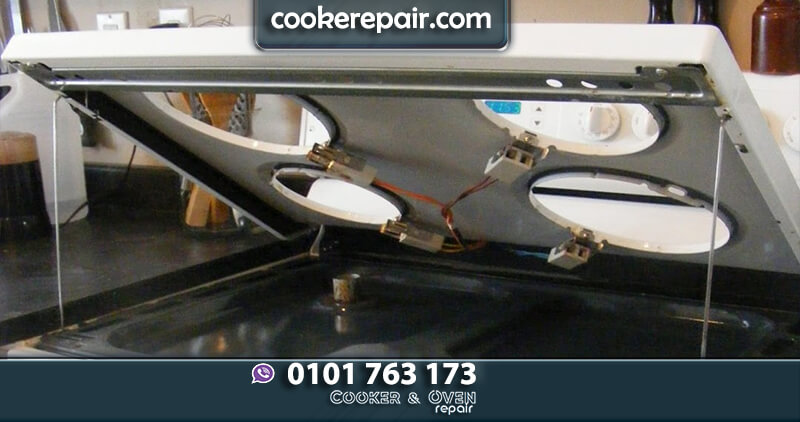
Replacing a heating element in an electric cooker in Nairobi typically costs between KSh 3,500 and KSh 9,000 all-in, depending on the element type, cooker brand, and whether the service is done on-site or at a workshop. The total is made up of the part price plus labor and any call-out charges.
PAGE CONTENT
Typical Cost Breakdown
| Cost Component | Estimated Range (KSh) |
|---|---|
| Heating element (part only) | 1,800 – 5,000 (standard) 3,500 – 7,000+ (premium or convection/fan-assisted) |
| Labor for replacement | 1,500 – 3,500 |
| Diagnostic / call-out fee (if charged separately) | 800 – 2,000 |
| Total typical cost | 3,500 – 9,000+ |
Element Types and Part Prices
Prices vary by element design and position in the cooker:
-
Stovetop coil elements (single burner): 1,500 – 3,000
-
Radiant / solid plate elements: 3,500 – 6,000
-
Oven bake elements (bottom): 2,000 – 4,500
-
Oven broil / grill elements (top): 2,000 – 4,500
-
Convection oven fan + element assemblies: 4,000 – 7,000+
-
Brand-specific or imported elements (e.g., Siemens, Bosch, high-end Samsung): 4,000 – 8,000+
Generic or compatible elements are usually cheaper than original manufacturer parts but may have different lifespans or fit tolerances.
Total Replacement Cost by Scenario
-
Basic single stovetop element replacement (generic part):
-
Part: ~1,800 – 3,000
-
Labor: ~1,500 – 2,500
-
Total: ~3,300 – 5,500
-
-
Oven bake or grill element replacement (mid-range cooker):
-
Part: ~2,500 – 4,500
-
Labor: ~2,000 – 3,000
-
Total: ~4,500 – 7,500
-
-
Convection oven element + fan assembly (higher-end models):
-
Part: ~4,000 – 7,000
-
Labor: ~2,500 – 3,500
-
Total: ~6,500 – 10,500+
-
-
Premium or built-in cookers with specialized elements:
-
Part: ~4,000 – 8,000+
-
Labor: ~2,500 – 4,000
-
Total: ~7,000 – 12,000+ (depending on brand and access complexity)
-
Factors That Influence the Price
-
Cooker brand and model: Imported and high-end brands often need costlier, less common elements.
-
Element type and wattage: Higher-wattage or multi-zone elements cost more.
-
Accessibility: Built-in or tightly enclosed ovens take longer to service, increasing labor time.
-
Parts source: Genuine OEM parts are pricier than compatible aftermarket options.
-
Service mode: On-site repairs may include a call-out fee; workshop drops can be slightly cheaper.
When Replacement Is Recommended
Technicians usually recommend element replacement when:
-
The element shows visible cracks, blisters, or burn marks
-
One burner or oven zone no longer heats while others work
-
The element heats unevenly or trips the breaker
-
Resistance tests confirm an open or shorted element
For older cookers with multiple failing elements, technicians may advise comparing the total repair cost against the price of a new unit.