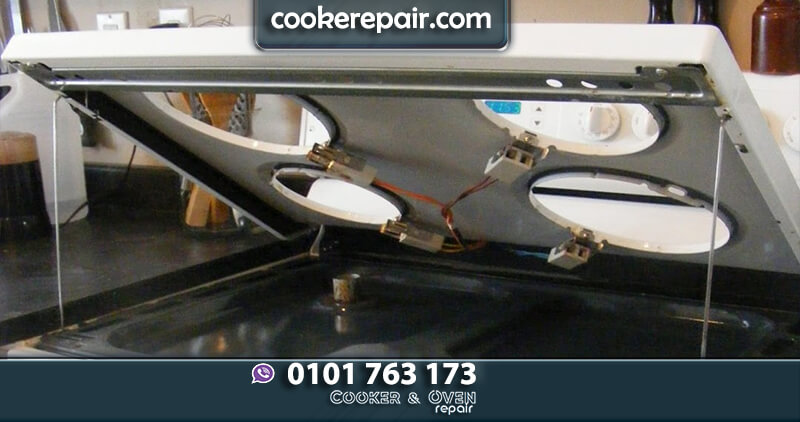
Induction ovens revolutionize cooking with electromagnetic efficiency, heating pots directly without warming the cooktop surface. These appliances offer precise control and energy savings, making them popular in Nairobi kitchens.
PAGE CONTENT
How Induction Ovens Work
Induction ovens use a copper coil under the glass-ceramic surface to generate a high-frequency alternating magnetic field when powered on. Placing ferromagnetic cookware, like cast iron or stainless steel pots, on the surface induces eddy currents within the pan’s base. These currents create resistive heat directly in the cookware through electromagnetic induction, rapidly raising its temperature to cook food evenly.
The cooktop stays cool to the touch, enhancing safety and cleanup. A power inverter modulates current frequency for adjustable heat levels, while digital controls allow precise settings down to 1°F increments. Unlike gas or electric stoves, no open flame or radiant coils produce heat, minimizing energy loss—up to 90% efficiency compared to 40% for conventional methods.
Compatible pots must attract a magnet; test by sticking one to the base. This technology suits busy Nairobi households needing fast boiling and simmering for ugali or stews.
Benefits Driving Popularity
Induction ovens boil water twice as fast as gas, with instant response to temperature changes. Safety features auto-shutoff if no pot is detected, preventing burns or fires. Energy savings lower electricity bills, vital in Kenya’s variable power grid.
Easy maintenance appeals to urban cooks; wipe the cool surface post-use. Models integrate with smart home systems for timers and remote control.
Common Issues and Repairs
Induction ovens are reliable but face wear from heat, power surges, or misuse. Our technicians at cookerepair.com handle these daily in Nairobi.
| Issue | Symptoms | Causes | Repair Solutions |
|---|
| Issue | Symptoms | Causes | Repair Solutions |
|---|---|---|---|
| No Power/Response | Won’t turn on; blank display | Blown fuse, faulty power cord, PCB failure | Replace fuse or fusible resistor; test/replace bridge rectifier and IGBT; inspect cord connections |
| Not Heating | Powers on but no heat | Incompatible cookware, coil issues, IGBT failure | Verify cookware magnetism; check induction coil continuity; replace IGBT/MOSFET (common from overheating) |
| Error Codes (e.g., E0) | Flashing errors like E0 | Capacitor faults, sensor issues, microcontroller short | Test high-voltage capacitors (e.g., 4uF/400V); replace temperature sensor; reprogram or swap MCU |
| Temperature Fluctuations | Uneven heating, shuts off early | Misaligned pot, blocked vents, cooling fan failure | Center cookware; clean vents/fan; replace fan or sensor |
| Unresponsive Controls | Buttons fail | Dirty panel, tactile switch wear | Clean panel; replace switches on control PCB |
| Overheating/Shutdown | Trips after minutes | Poor ventilation, MOV or resistor faults | Check heatsink/fan; replace resistors or MOV |
DIY fixes like resetting by unplugging for 5 minutes help minor glitches. Persistent problems need pros to avoid shocks or further damage.
Why Professional Repair Matters
Nairobi’s power fluctuations accelerate component stress like IGBTs, which fail most often. Self-repair risks voiding warranties or causing fires. Our experts diagnose with multimeters, replacing parts like capacitors or sensors swiftly.
Contact for Expert Service
Facing induction oven woes? Call us at 0101763173 for same-day repairs. Visit cookerepair.com or our shop at Kangari Hse, Luthuli Avenue, Nairobi. We restore your cooker to peak efficiency, ensuring safe, reliable cooking.