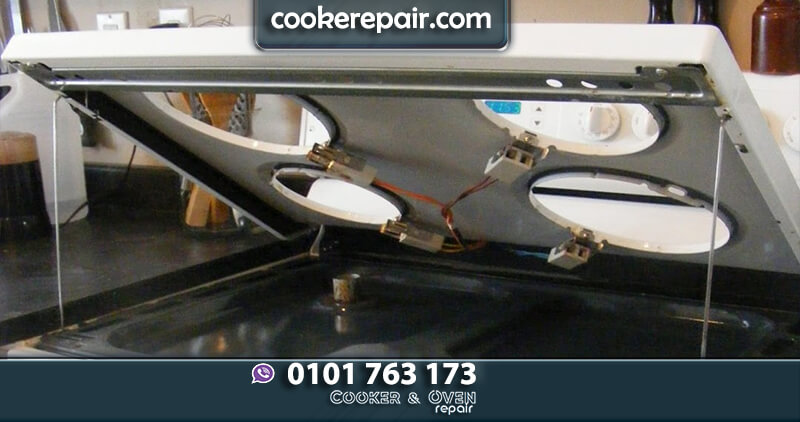
Regular cooker maintenance helps improve cooking performance, reduce energy consumption, prevent avoidable breakdowns, and extend the appliance’s service life. Whether you use a gas, electric, induction, ceramic, or freestanding cooker, simple maintenance practices can prevent many common faults. Cookerepair.com provides cooker repair and maintenance services for different cooker types and brands.
PAGE CONTENT
Top 12 Tips for Cooker Maintenance
A cooker is one of the most frequently used appliances in a kitchen. Daily cooking exposes burners, heating elements, switches, control panels, oven cavities, door seals, and other components to heat, grease, moisture, and food residue.
Without proper maintenance, these conditions can gradually affect performance and contribute to faults. A cooker may begin heating unevenly, consume more energy, produce abnormal flames, fail to ignite, or develop electrical problems.
Proper cooker maintenance does not necessarily require complicated procedures. Regular cleaning, inspection, correct operation, and professional servicing can significantly reduce unnecessary breakdowns.
Here are 12 practical tips for keeping your cooker in good working condition.
1. Clean the Cooker Regularly
Regular cleaning is one of the simplest and most effective maintenance measures.
Food particles, grease, oil, and spilled liquids can accumulate around burners, heating elements, control knobs, and the oven cavity. When exposed to high temperatures, these residues can become difficult to remove and may produce smoke or unpleasant odors.
Clean the cooker after it has cooled down, using cleaning products appropriate for the appliance’s surface.
Pay particular attention to:
- Burner areas
- Cooker tops
- Oven interiors
- Door glass
- Control knobs
- Spill trays
- Racks and trays
- Areas around heating elements
Avoid pouring excessive water directly onto electrical components.
2. Keep Gas Burner Ports Clean
Gas cookers require particular attention to the burner ports. Food debris and grease can block the small openings through which gas and air mix.
Blocked burner ports may result in:
- Weak flames
- Uneven flames
- Difficulty igniting
- Yellow or abnormal flames
- Reduced cooking performance
Remove burner caps according to the manufacturer’s instructions and clean them carefully. Ensure they are completely dry and correctly positioned before using the cooker.
Do not enlarge burner openings with sharp objects because doing so can interfere with proper gas combustion.
3. Inspect the Gas Flame
For gas cookers, regularly observe the burner flame.
A healthy gas flame is generally stable and predominantly blue. Persistent yellow, orange, noisy, or irregular flames can indicate combustion or burner problems.
If the flame remains abnormal after cleaning the burner, have the cooker inspected by a qualified technician.
Never ignore suspected gas leaks. If you smell gas, turn off the gas supply where safe to do so, avoid creating sparks or flames, ventilate the area if possible, and seek appropriate professional assistance.
4. Check Electric Heating Elements
Electric cookers use heating elements to generate heat for cooking and baking.
Inspect visible heating elements for obvious signs of damage, such as:
- Cracks
- Bulging
- Burn marks
- Uneven heating
- Visible deterioration
If an electric cooker takes unusually long to heat or one section no longer heats properly, the element, thermostat, wiring, switch, or control system may require professional diagnosis.
Do not attempt to repair energized electrical components yourself.
5. Clean Oven Racks and Trays
Oven racks and trays accumulate grease and food residue over time. Heavy buildup can produce smoke and unpleasant smells whenever the oven is heated.
Remove racks and trays and clean them regularly. Allow them to dry completely before putting them back.
Avoid using abrasive materials that could damage specialized coatings.
Keeping the oven interior and accessories clean also makes it easier to identify unusual corrosion, damaged surfaces, or other developing problems.
6. Inspect the Oven Door Seal
The oven door gasket or seal helps retain heat inside the oven. A damaged or loose seal can allow hot air to escape.
Signs of a failing door seal include:
- Excessive heat around the door
- Longer cooking times
- Uneven cooking
- Higher energy consumption
- Visible cracks or deterioration
Inspect the gasket periodically and replace it if it is damaged.
A properly closing oven door is important for both cooking efficiency and temperature control.
7. Do Not Overload the Oven
Overloading an oven can restrict air circulation and result in uneven cooking.
Avoid placing too many dishes inside the oven at once unless the appliance is specifically designed for high-capacity commercial use.
Maintain appropriate space around cookware and follow the manufacturer’s recommendations regarding rack positioning.
Good airflow allows heat to circulate more effectively and helps the oven maintain the desired temperature.
8. Avoid Blocking Ventilation Openings
Many cookers and ovens have ventilation openings that help release heat and maintain safe operating temperatures.
Do not cover these openings with utensils, foil, cloth, or other objects.
Blocked ventilation can contribute to overheating and may affect components such as control boards, thermostats, cooling fans, and electronic systems.
For built-in appliances, make sure the surrounding cabinetry provides the ventilation specified by the manufacturer.
9. Check Cooker Knobs and Switches
Control knobs and switches are frequently used and can eventually become worn or damaged.
Pay attention if a knob:
- Becomes loose
- Stops selecting settings correctly
- Turns without changing the temperature
- Gets unusually hot
- Becomes difficult to operate
A faulty switch or control can affect burner operation, oven temperature, or electrical safety.
Do not force a damaged knob. Replace faulty components using compatible parts.
10. Prevent Liquid From Entering Electrical Components
Spills are common in kitchens, but excessive moisture can damage electrical components.
When cleaning an electric cooker, avoid allowing water or cleaning solutions to enter:
- Control panels
- Switches
- Electrical sockets
- Heating-element connections
- Wiring areas
- Electronic controls
Always disconnect the appliance from the power supply before carrying out appropriate external cleaning where the manufacturer’s instructions permit it.
If liquid has entered the electrical system, allow a qualified technician to inspect the appliance before it is used again.
11. Service the Cooker Professionally
Regular professional servicing can identify problems that may not be obvious during normal use.
Professional cooker maintenance may include inspection and testing of:
| Component | Maintenance Check |
|---|---|
| Gas burners | Flame quality and burner condition |
| Ignition system | Spark and ignition operation |
| Heating elements | Heating performance and condition |
| Thermostat | Temperature regulation |
| Door seal | Heat retention |
| Electrical wiring | Connections and signs of damage |
| Switches | Correct operation |
| Control board | Fault codes and electronic operation |
| Cooling fan | Operation and airflow |
| Gas connections | Leak and connection checks |
The appropriate service interval depends on cooker type, usage, age, manufacturer’s recommendations, and operating environment.
Commercial kitchens with heavy daily usage may require more frequent professional inspections than ordinary household cookers.
12. Repair Small Problems Before They Become Major Faults
One of the most important maintenance practices is responding to unusual symptoms early.
Do not continue using a cooker that develops unexplained:
- Burning smells
- Electrical sparks
- Gas smells
- Abnormal flames
- Repeated circuit tripping
- Excessive overheating
- Unusual noises
- Inconsistent heating
- Failure to ignite
- Control-panel errors
A minor component may sometimes be responsible for the problem, but continued use can cause additional damage.
For example, repeatedly operating a cooker with a faulty heating element, damaged wiring, or defective thermostat can potentially cause further component failure.
Cooker Maintenance for Different Cooker Types
Different cookers require slightly different maintenance approaches.
Gas Cookers
Focus on burner cleanliness, flame quality, gas connections, ignition systems, and ventilation.
Electric Cookers
Pay attention to heating elements, switches, thermostats, electrical connections, and power supply problems.
Induction Cookers
Keep the glass surface clean and inspect for cracks. Avoid using unsuitable cookware and ensure ventilation openings remain unobstructed.
Ceramic Cookers
Use appropriate cookware and cleaning products to prevent scratching or damaging the glass surface.
Commercial Cookers
Heavy-duty commercial equipment requires more frequent cleaning, inspection, and professional servicing because it often operates for extended periods.
When Should You Call a Cooker Repair Technician?
Some maintenance tasks are suitable for the owner, such as cleaning surfaces, racks, and removable burner components. Internal electrical, gas, electronic, and mechanical repairs should generally be handled by qualified professionals.
Cookerepair.com provides cooker repair and maintenance services for different types and brands of cookers. Its published services cover faults involving burners, heating elements, thermostats, ignition systems, electrical components, and other cooker parts. (cookerepair.com)
Professional assistance is particularly important when dealing with:
- Gas leaks
- Electrical faults
- Damaged wiring
- Failed heating elements
- Faulty thermostats
- Ignition problems
- Control-board faults
- Persistent overheating
- Repeated circuit breaker trips
Benefits of Proper Cooker Maintenance
Consistent maintenance can provide several benefits:
- Longer appliance lifespan
- Better cooking performance
- Improved temperature control
- Lower risk of unexpected breakdowns
- Reduced energy wastage
- Better hygiene
- Improved operational safety
- Fewer expensive repairs
- More reliable daily operation
For hotels, restaurants, catering companies, and other commercial kitchens, maintenance is even more important because cooker downtime can interfere directly with food production and business operations.
Why Choose Cookerepair.com?
Cookerepair.com provides cooker repair and maintenance services for household and commercial customers. The company works with different cooker types and brands and provides professional diagnosis when an appliance develops a fault. (cookerepair.com)
Its services include cooker repairs, oven repairs, electrical fault diagnosis, burner-related repairs, heating-element replacement, thermostat repairs, and other appliance services.
Property owners and commercial kitchen operators can arrange professional servicing when routine cleaning is no longer sufficient or when a cooker begins showing signs of mechanical, electrical, gas, or electronic failure.
Proper cooker maintenance starts with regular cleaning and careful operation but should also include professional inspection when faults develop. Keeping burners clean, maintaining oven seals, protecting electrical components, monitoring gas flames, and addressing problems early can help keep the appliance efficient and dependable. For complex gas, electrical, heating, and electronic faults, Cookerepair.com can provide professional diagnosis, repair, and maintenance services.