A pressure cooker is a sealed pot that cooks food using steam trapped under pressure, which raises the boiling point of water and dramatically speeds up cooking times.
How it works
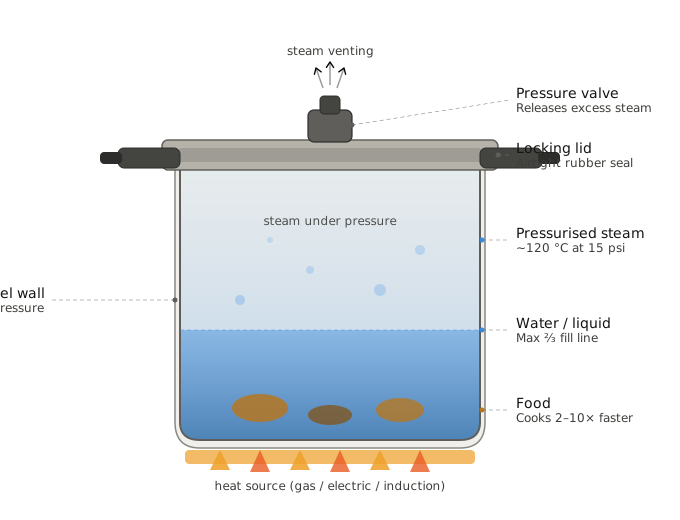
Normal boiling point of water is 100 °C. In an open pot, no matter how hard you boil, the food cooks at that ceiling. A pressure cooker seals the steam inside, building pressure (typically around 15 psi / 1 bar above atmospheric). That pressure raises the boiling point to about 120–121 °C — which may not sound like much, but it translates to cooking times 2 to 10 times faster because heat transfers into food more aggressively at higher temperatures.
The key components
Locking lid with a rubber gasket creates an airtight seal. Most modern pressure cookers have a bayonet or twist-lock mechanism that physically prevents you from opening it under pressure.
Pressure valve (regulator) sits on top and serves two roles: it lets you know pressure has been reached (it rises or rocks/hisses), and it vents excess steam if pressure gets too high, acting as a first safety line.
Safety release valve is a secondary backup that blows off steam if the main valve gets blocked — preventing any risk of explosion.
Thick-walled pot body is typically stainless steel or hard-anodised aluminium, rated to handle sustained internal pressure without deforming.
Types of pressure cooker
- Stovetop pressure cooker — the traditional kind, used on any heat source. Reaches higher pressure (15 psi) and cooks faster than electric versions.
- Electric pressure cooker / multi-cooker (e.g. Instant Pot) — has a built-in heating element, digital controls, and often multiple modes (slow cook, sauté, rice, yogurt). Easier to use but slightly lower max pressure (~12 psi).
- Pressure canner — a larger, heavy-duty version used specifically for home food preservation (canning vegetables, meats).
- Commercial pressure fryer — used in fast food kitchens (e.g. the original KFC technique) to pressure-fry chicken quickly while keeping it moist inside.
What it excels at
Tough, collagen-rich cuts of meat (ribs, brisket, oxtail), dried legumes, whole grains, stocks and broths, root vegetables, and anything that normally requires long braising. A beef stew that takes 3 hours in a regular pot takes about 35 minutes under pressure.