PAGE CONTENT
Why genuine parts matter
-
Safety first: Cookers handle heat, gas and electricity; parts designed and tested by the original manufacturer meet safety standards. Non-genuine components (poor insulation, wrong temperature ratings, incorrect gas seals) increase fire, gas-leak and electric-shock risks.
-
Correct fit and function: Genuine parts are manufactured to precise specifications and tolerances so they fit without modification and operate as intended, preserving controls, seals, thermistors, valves and burners.
-
Performance consistency: Original parts maintain cooking performance — stable temperature control, even heating, correct ignition timing — so food cooks as expected and energy use remains predictable.
-
Longevity and reliability: OEM components typically use higher-quality materials and undergo quality control, reducing premature failures and repeat repairs.
-
Warranty retention: Many manufacturers’ warranties require genuine parts for repairs; using counterfeit or aftermarket parts can void warranties and lead to denied claims.
-
Compliance and certification: Genuine parts often carry regulatory approvals and safety certifications (electrical ratings, gas safety marks), which aftermarket copies may lack.
Common cooker parts where authenticity matters
-
Burners and burner caps (flame shape, heat distribution)
-
Gas valves and regulators (seal integrity, flow control)
-
Ignition modules and electrodes (spark timing and consistency)
-
Thermostats, thermistors and temperature sensors (accurate temperature feedback)
-
Control knobs, switches and PCB control boards (electrical compatibility)
-
Oven door seals and glass (heat retention and safety)
-
Heating elements (rated wattage and heat distribution)
-
Safety devices: flame failure devices, thermostats, fuses
Risks of aftermarket or counterfeit parts
-
Increased repair frequency: Lower-quality parts fail sooner, raising lifetime repair costs.
-
Hidden damage: Incorrect parts can stress adjacent components (e.g., wrong-rated element overheating wiring).
-
Energy inefficiency: Poorly matched elements or valves can increase energy consumption.
-
Legal and insurance issues: Insurance claims after damage may be rejected if non-genuine parts contributed to the incident.
-
Inconsistent operation: Erratic ignition, temperature drift, or uneven cooking due to mismatched specifications.
Cost perspective: short-term savings vs long-term value
-
Upfront cost: Aftermarket parts often look cheaper, tempting budget-conscious consumers.
-
Total cost of ownership: Factor in potential repeat repairs, energy waste and possible appliance replacement; genuine parts usually offer lower total cost over the appliance’s usable life.
-
Resale value: Appliances maintained with genuine parts and service history command higher resale value.
How to verify genuine parts
-
Part numbers and documentation: Match part numbers printed on the component to manufacturer catalogs or the appliance service manual.
-
Packaging and branding: Genuine parts usually come in manufacturer-branded packaging with labels, holograms or security seals; counterfeiters may copy branding but miss fine details.
-
Supplier credentials: Buy from authorized dealers, manufacturer service centers, or verified distributors listed on the manufacturer’s website.
-
Quality marks and serials: Look for model-specific stamps, serial numbers, or certification marks and confirm with the maker if unsure.
-
Ask for proof: Request original invoices, warranty paperwork, and return policies before purchase.
-
Compare specifications: Verify electrical ratings, dimensions and connector types against official datasheets.
Where to buy genuine parts
-
Manufacturer-authorized service centers and workshops.
-
Official brand distributors and certified spare-parts dealers.
-
Reputable appliance parts retailers with clear supplier sourcing and return policies.
-
Manufacturer online stores or verified e-commerce listings (look for seller verification and reviews).
Tips for content marketers selling this service
-
Use structured data: Implement Product and Service schema, and Parts-related markup (where applicable) to highlight genuine parts on search results.
-
Publish parts guides: Create pages listing part numbers, compatibility charts, and comparison images to help customers identify originals.
-
Transparent pricing: Show price ranges for OEM versus aftermarket and explain long-term value to reduce sticker shock.
-
Trust signals: Feature supplier certificates, brand authorizations, warranty terms and customer testimonials prominently.
-
Local SEO: Target search intent like “genuine cooker parts Nairobi,” “authorized spare parts [brand] Kenya,” and service-centred queries.
Quick checklist for homeowners before approving a repair
-
Request the exact part number and supplier name.
-
Ask for an itemized invoice showing OEM part code and warranty period.
-
Confirm if the repairer is an authorized service partner for the cooker brand.
-
Check whether the repairer offers a parts warranty and what it covers.
-
Insist on original packaging for high-value components when possible.
Examples and short scenarios
-
Scenario A — Safety prevented: A homeowner replaced a faulty gas valve with an uncertified aftermarket unit; a small leak developed later causing a flammable atmosphere. Using the OEM valve, designed with the correct seal and flow rating, would have prevented the hazard.
-
Scenario B — Repeat repairs: An oven heating element bought cheaply from an unknown supplier failed after six months; replacing it with a genuine element maintained stable temperatures and eliminated a second service call.
-
Scenario C — Warranty denial: A stove suffered an electrical short after an aftermarket control board was fitted; the manufacturer refused a warranty claim for the oven because the repair used non-genuine electronics.
How installers can communicate value to customers
-
Explain risks in plain language: Use examples (safety, repeated repairs) rather than technical jargon.
-
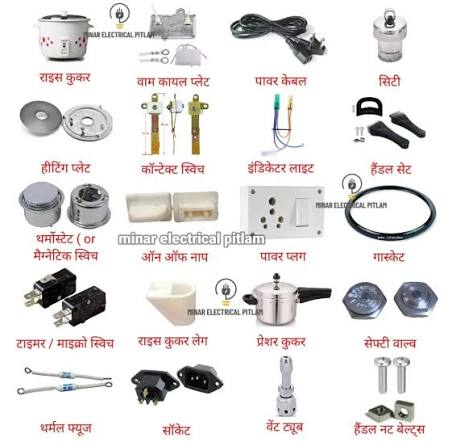
Show the part: If possible, present the genuine part and any aftermarket alternative side-by-side to demonstrate build quality.
-
Offer options: If budget is a concern, present OEM as recommended and explain expected lifespan; offer costed alternatives with caveats.
-
Provide documentation: Give customers written proof of part authenticity and warranty terms after repair.
Small business operational notes
-
Stock management: Maintain a parts catalogue and fast-moving inventory of common OEM parts to reduce turnaround time.
-
Supplier relationships: Build relationships with authorized distributors to access genuine parts and volume pricing.
-
Training: Ensure technicians can verify part authenticity and correctly install OEM components to preserve warranties.
-
Record keeping: Keep photos, receipts and serial numbers of replaced parts linked to the customer’s service record for transparency and future claims.
The choice between genuine spare parts and generic alternatives can determine how long a repair actually lasts, even if the upfront cost looks similar.
| Part Type | Fit Accuracy | Typical Lifespan |
| Genuine (OEM) | Exact match | Long-term |
| Generic/aftermarket | Approximate fit | Often shorter |
Using genuine spare parts ensures the replacement component matches your cooker’s exact specifications — voltage, dimensions, and calibration — rather than an approximate substitute.
- Confirm part numbers match your cooker’s exact model
- Ask your technician whether genuine or generic parts are being fitted
- Request original packaging or documentation where possible
- Understand that genuine parts often come with manufacturer warranties
While genuine spare parts can cost more upfront, they typically reduce the risk of repeat faults, saving money on repeat callouts over time. Insist on genuine parts for lasting repairs. Call 0723763173 or visit cookerepair.com to book your repair. A reputable repair company will always be transparent about whether genuine spare parts or aftermarket alternatives are being used, and why. Get repairs that actually last. Call 0723763173 or visit cookerepair.com today.