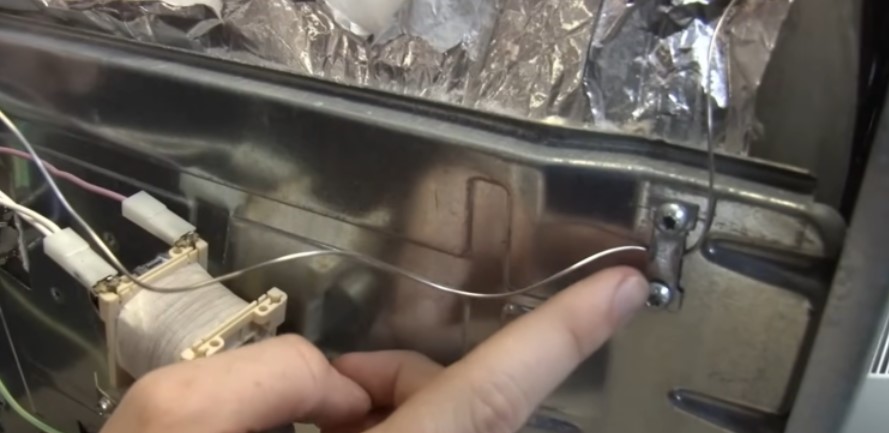
Cookers are essential kitchen appliances, but like any mechanical device, they’re prone to wear and tear. Understanding the most common faults can help you troubleshoot issues quickly, avoid costly repairs, and ensure safe operation. Below are the top 10 most prevalent cooker faults, covering both electric and gas models, along with their likely causes and practical solutions.
PAGE CONTENT
1. Oven Not Heating Up
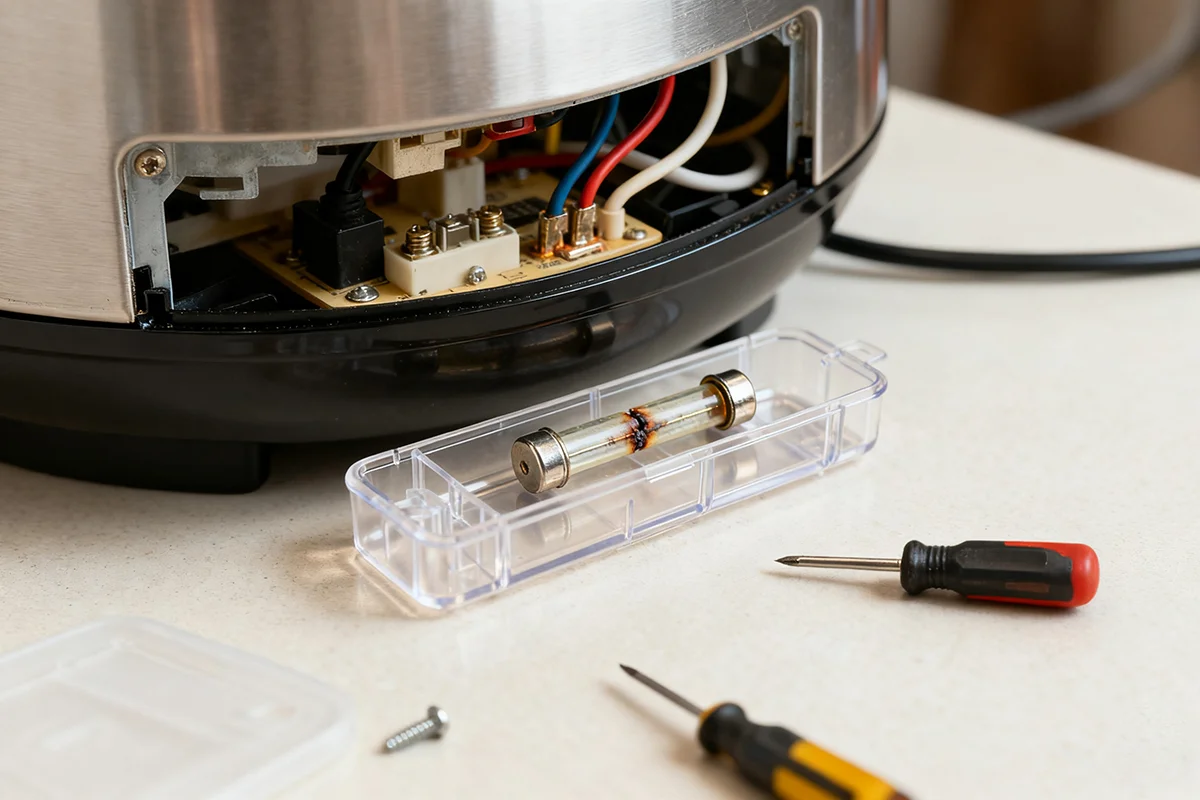
One of the most frequent complaints is an oven that fails to heat. In electric cookers, this is often due to a failed bake element, blown thermal fuse, or faulty thermostat. For gas ovens, a defective ignition system or blocked gas valve may be the culprit. Testing the element with a multimeter and replacing faulty components usually resolves the issue.repair-network.co+2
2. Hob Rings or Burners Not Heating
On electric hobs, a non-heating ring typically points to a blown heating element or a faulty energy regulator. Gas hobs may have clogged burner holes, misaligned caps, or moisture in the ignition switches. Cleaning burner components, ensuring proper assembly, and allowing wet parts to dry for 24–48 hours often fixes the problem.
3. Uneven Cooking or Temperature Fluctuations
Uneven cooking is commonly caused by a faulty thermostat or temperature sensor that fails to regulate heat accurately. In some cases, a weak or damaged heating element may also contribute. Recalibrating or replacing the thermostat and inspecting elements for damage can restore consistent cooking performance.
Kiambu County Cooker Repair Services Experts
4. Cooker Tripping Circuit Breaker or Blowing Fuses
If your cooker repeatedly trips the breaker or blows fuses, it may indicate a short circuit in the wiring, a faulty element, or a malfunctioning thermostat. This issue requires a thorough electrical inspection to identify and replace the defective component, ensuring safe operation.repair-network.co+1
5. Oven Overheating or Underheating
Overheating is usually due to a thermostat that fails to cut off heat, while underheating may result from a weak element or inaccurate thermostat calibration. Both scenarios can lead to poorly cooked food and potential safety hazards. Replacing the thermostat or testing and swapping out the element typically resolves the problem.repair-network.co+2
6. Ignition Failure (Gas Cookers)
Gas cookers often experience ignition issues when the spark electrode is dirty, damaged, or when there’s a loose electrical connection. Moisture under the control knobs can also prevent ignition. Cleaning the electrode, checking electrical connections, and allowing the unit to dry out are effective first steps.
Common Cooker Problems and How to Fix Them
7. Gas Leaks or Smell of Gas
A pervasive gas smell, even when the cooker is off, may indicate a leak from blocked valves, corroded connections, or a faulty regulator. This is a serious safety risk. Immediately shut off the gas supply, ventilate the kitchen, and contact a certified gas engineer to inspect and repair the leak.go-assist+2
8. Broken or Worn Door Seal
A damaged door seal allows heat to escape, leading to inefficient cooking and higher energy consumption. Over time, the gasket can harden, crack, or tear. Replacing the seal promptly improves cooking performance and energy efficiency. Most manufacturers offer replacement gaskets for specific models.repair-network.co+2
9. Control Knobs or Switches Not Functioning
Worn or faulty switches beneath the control knobs can cause unresponsive controls or erratic behavior. In some cases, the issue may stem from a faulty control board or touchpad, especially in modern digital cookers. Replacing the switches or repairing the control board restores functionality.cookerepair+1
10. Strange Noises or Excessive Smoke
Unusual noises may indicate problems with the fan, motor, or heating element, while excessive smoke often results from grease buildup or a faulty thermostat causing overheating. Cleaning the oven and hob thoroughly, inspecting moving parts, and replacing damaged components can eliminate these issues.repair-network.co+1
Prevention and Maintenance Tips
Regular cleaning, timely replacement of worn parts, and periodic professional inspections can prevent many of these faults. Always refer to your cooker’s manual for model-specific guidance and safety instructions. For complex electrical or gas-related issues, consult a qualified technician to avoid hazards.
By familiarizing yourself with these common faults, you can diagnose problems early, extend the lifespan of your cooker, and maintain a safe, efficient kitchen environment.
OUR LINKS