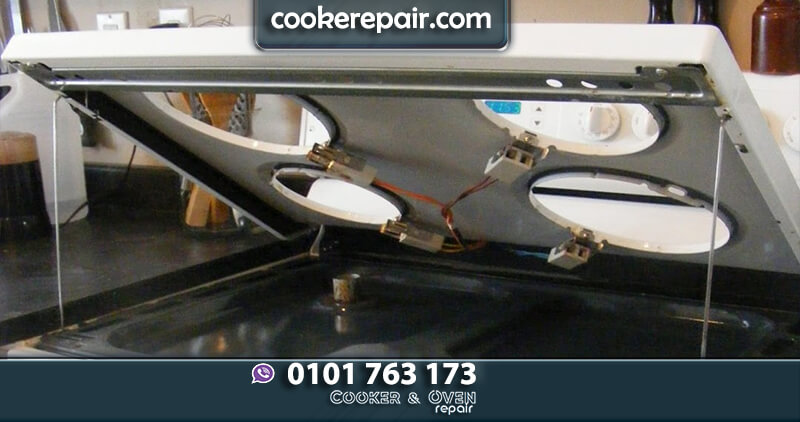
Common issues after heating element installation in ovens include improper heating, electrical faults, and connection failures, often stemming from installation errors or overlooked diagnostics. These problems manifest quickly post-replacement, affecting Nairobi households reliant on 240V electric models from brands like Von or LG.
PAGE CONTENT
Frequent Post-Installation Problems
Newly installed heating elements may fail to glow or heat evenly due to loose terminal connections, a top culprit in rushed jobs. Burning smells arise from residue on the element or overheating insulation, while buzzing noises signal arcing from poor wiring—critical safety risks in Kenya’s variable power supply.
Overheating or rapid burnout occurs if the thermostat wasn’t tested beforehand, causing thermal runaway. Visible cracks or discoloration appear within days from mechanical stress during fitting, especially in convection ovens.
Issues and Fixes Table
| Issue | Likely Cause | Symptoms | Quick Fix |
|---|---|---|---|
| No heat or weak glow | Loose/corroded terminals | Element stays dark | Tighten connections; retest continuity |
| Uneven heating | Partial contact or wrong element | Hot spots, slow preheat | Verify model match; realign |
| Burning smell | Residue or insulation damage | Odor on first use | Clean element; run empty cycle |
| Buzzing/popping sounds | Arcing from poor wiring | Intermittent operation | Check voltage; secure wires |
| Rapid burnout (<1 month) | Dry firing or power surge | Element blisters | Pre-fill test; surge protector |
| Overheating trips breaker | Mismatched resistance | Frequent cutoffs | Multimeter ohms check |
| Tripping RCD/GFCI | Ground fault from install | Power cuts mid-cycle | Inspect grounding |
Address within 24-48 hours to prevent fire hazards; averages from global appliance data apply to Nairobi contexts.
Prevention During Installation
Test continuity with a multimeter (20-50 ohms typical) before powering on—skipping this causes 40% of failures. Ensure terminals are clean and torqued (avoid over-tightening to prevent cracks), and run a 30-minute empty bake at 200°C to burn off residues safely.
Verify thermostat function pre-install; faulty sensors overload new elements. In Nairobi, pros at Luthuli Avenue like Cooker Repair (0101763173, cookerepair.com, Kangari Hse) include these checks in KES 1,500 installs, reducing callbacks.
Professional service minimizes DIY pitfalls, ensuring 2-3 year element life versus months for botched fits. Schedule via cookerepair.com for model-specific handling