
Door interlock switches in microwaves act as critical safety mechanisms, preventing the magnetron from generating microwaves unless the door is fully closed, thus blocking harmful radiation leaks that could cause burns or long-term health risks. Typically three switches—primary, secondary (monitor)—work in sequence: primary activates power on door closure, secondary backs it up, and monitor cuts everything if discrepancies occur. In Nairobi's busy kitchens, faulty switches from door misalignment or wear stop units from starting; Cookerepair.com replaces them via 0723763173 for quick, safe fixes.
PAGE CONTENT
Core Safety Purpose Explained
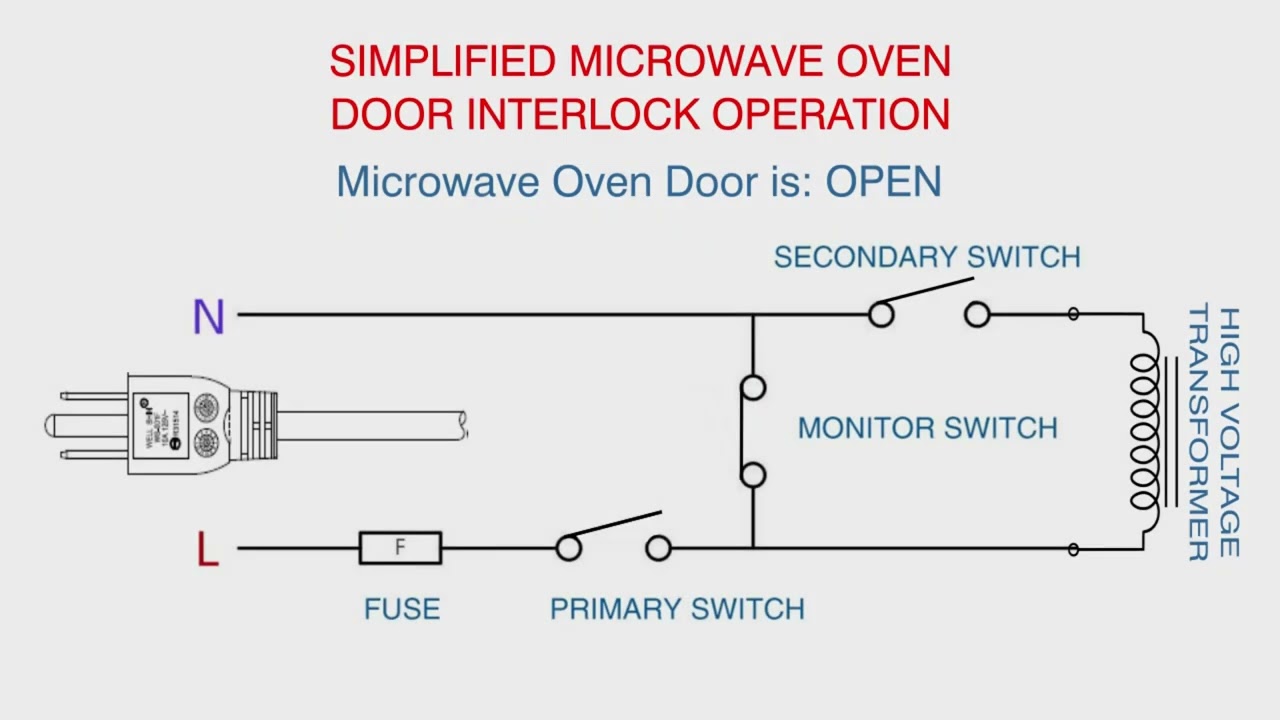
These microswitches, plunger-style with 15A/125V ratings, mount on the door frame and latch into hooks, completing circuits only when aligned. Primary interlock powers the high-voltage transformer; secondary ensures redundancy; monitor fuse-blows on failures, halting operation entirely. Without them, opening the door mid-cycle wouldn't stop 2,450MHz waves instantly, violating KEBS safety standards. They endure 100,000+ cycles but fail from arcing or plastic fatigue.
In Kenyan homes, frequent door slams or humidity corrode contacts, mimicking fuse blows. Proper function sequences: door closed compresses all; open reverses, breaking magnetron supply first.
This Whirlpool diagram shows interlock assembly with primary rotary switch, monitor, secondary lever, and door hook integration for fail-safe operation.
Failure Signs in Daily Use
Microwave won't start despite power—most common, as monitor detects misalignment. Door closes but beeps error codes (e.g., LG F3); sparks visible on switches signal burnout. Intermittent operation or fuse trips post-use point to worn plungers failing to fully engage. Unlike turntable issues, these halt all functions for safety.
Replacement Costs in Nairobi
Cookerepair.com sources OEM-compatible sets for LG, Samsung, Ramtons at competitive rates, including diagnosis and high-voltage discharge.
Prices factor 20% import duties; generics save 30% but risk shorter life. Full kits recommended—single swaps often cascade failures.
Step-by-Step Replacement Process
Unplug and discharge capacitors (4,000V risk). Remove cabinet (6-8 screws), access frame switches via door panel. Desolder wires (photo positions), extract old plungers, snap in new with dielectric grease. Test sequence: closed (continuity on primary/secondary, open monitor); open reverses. Nairobi pros complete in under an hour, ensuring FCC-compliant no-leak operation.
Schematic illustrates open-door state: primary/secondary disconnect, monitor connects to fuse, blocking transformer power.

Why Switches Fail Locally
Nairobi's power surges arc contacts; steam erodes insulators. Over 5 years, hooks wear, misaligning actuators—80% of non-heating calls trace here over magnetrons. Avoid DIY: shocks lethal, bypasses illegal.
Prevention for Longevity
Clean door seals monthly, align hinges yearly, use surge protectors against KPLC fluctuations. Annual checks by Cookerepair.com spot wear early, preventing KSh 15,000+ full replacements. Their 0723763173 hotline books same-day across Westlands to Eastlands with 6-month warranties.
Expertise spans all brands, restoring safety and reliability—dial now to safeguard your family from radiation risks while minimizing downtime.